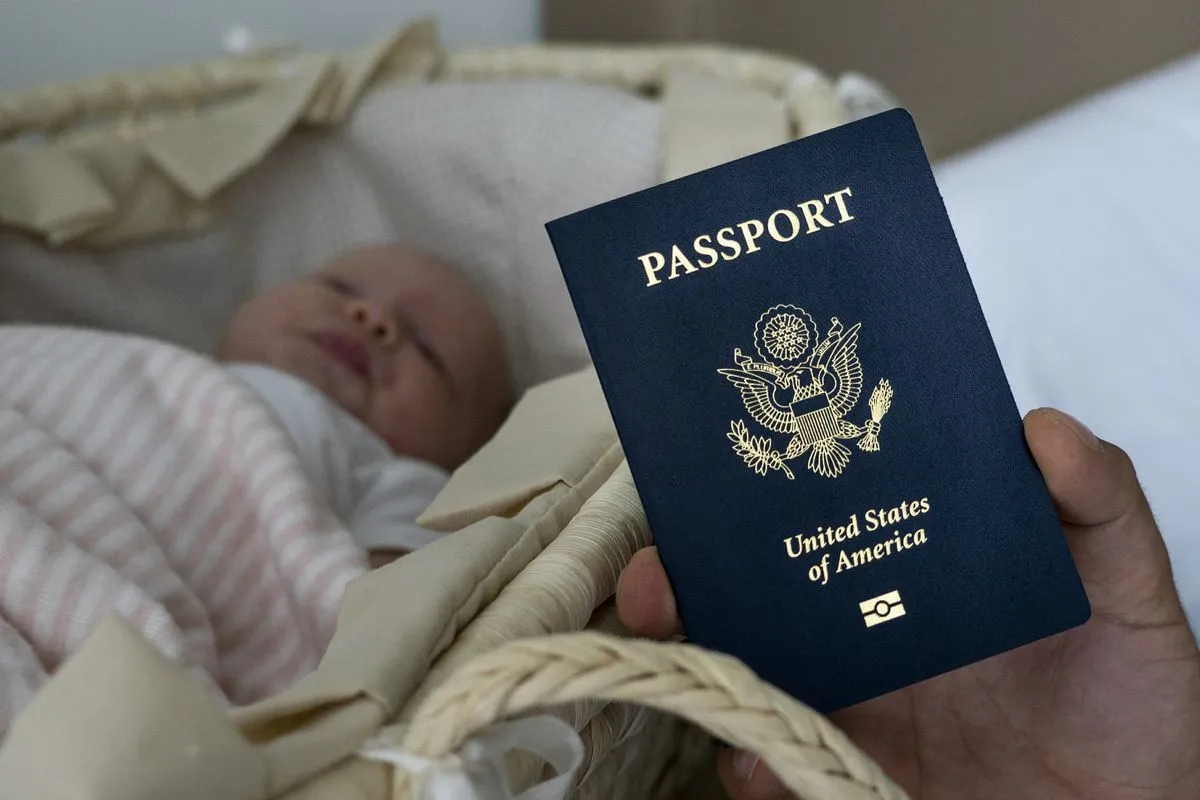
Birth tourism, especially in 2026, has become one of the most talked-about migration strategies.
Social media often makes it sound simple: fly somewhere, give birth, collect a passport.
In reality, the process is legal but complex, and the cost varies widely depending on the country, hospital system, visa rules, and how prepared you are.
In 2026, birth tourism typically costs anywhere from $3,500 to over $25,000. For families budgeting carefully, a “$5k passport” remains an attractive goal, though it requires planning.
This article breaks down the real numbers, timelines, and trade-offs so families can make informed decisions.
What Birth Tourism Actually Means
Birth tourism refers to traveling to another country to give birth so the child acquires citizenship by birth (jus soli) or legal status tied to their birthplace.
Not all countries offer this, and not all that do offer the same benefits.
Some countries grant:
- Automatic citizenship to the child.
- Residency or permanent status to parents.
- Citizenship to the child only, with no immediate parental benefit.
Understanding this distinction is critical before choosing a destination.
Who This Applies To
This guide is most relevant for:
- Nigerian and Global South passport holders looking for increased mobility.
- Families planning international travel for childbirth in 2026.
- Parents seeking long-term residency options for themselves.
It does not cover illegal entry, visa fraud, or medical advice.
The $5k Passport Myth—And When It’s True
The idea of a “$5k passport” is not entirely false, and for some families pursuing birth tourism 2026, it remains achievable in specific countries with lower medical costs. In contrast, countries like the United States or Canada almost always exceed that budget due to healthcare costs alone.
Brazil: The Most Affordable Option
Brazil is often considered the most cost-effective country because of its guaranteed citizenship and low private medical fees.
- Estimated Total Cost: $3,500 – $6,000.
- Private Delivery Fee: $1,200 – $2,500.
- Parental Perk: Parents can apply for Permanent Residency immediately and are eligible for citizenship after just 1 year of residency and a Portuguese language test.
Mexico: The Efficiency Leader
Mexico offers a balanced approach with a strong passport and straightforward residency rules.
- Estimated Total Cost: $4,000 – $7,000.
- Private Delivery Fee: $1,500 – $3,000.
- Parental Perk: Immediate permanent residency for parents, with a 2-year naturalization path.
Argentina: The New Economic Landscape
As of 2026, Argentina has adjusted its policies. While citizenship remains automatic, public hospitals now charge non-residents.
- Estimated Total Cost: $4,500 – $8,000 (Private clinics).
- Parental Perk: Fastest path to permanent residency (often within weeks of the birth).
Cost Breakdown: 2026 Projections

Common Mistakes & Rejection Reasons
Many families run into problems not because birth tourism is illegal, but because they underestimate the process.
- Visa Misrepresentation: In 2026, the US and several Latin American countries have tightened screening. Claiming “tourism” while 34 weeks pregnant without mentioning medical intent can lead to immediate visa revocation and a ban.
- Insufficient Funds: Border agents frequently ask for proof of “Medical Solvency.” For a “$5k passport,” you should ideally show $10,000+ in liquid assets to cover potential complications like NICU stays, which can cost $1,500+ per day.
- Missing Apostilles: You must bring your own birth and marriage certificates apostilled from your home country. Without these, you cannot register the baby or apply for parental residency.
- Airlines & Travel Timing: Most airlines stop allowing pregnant travelers at 32–36 weeks. Arriving too late risks being denied boarding or having a medical emergency mid-flight.
Processing Timelines at a Glance
- Visa Approval: 2–8 weeks.
- Birth Registration: 3–10 days post-birth.
- Baby’s Passport: 2–4 weeks.
- Parent Residency: 1–4 months (varies by country).
Planning Support
For families navigating embassy rules, visa timing, and document sequencing, structured platforms like VOYA help clarify requirements and timelines. While embassies make final decisions, having accurate guidance, especially regarding the new 2026 eVisa requirements for Brazil, can reduce costly errors.
Frequently Asked Questions
Is birth tourism legal in 2026? Yes, provided you follow visa disclosure rules and pay for your own medical expenses. It is the “intent to defraud” the visa system that is illegal.
Do parents automatically get a passport? No. Parents usually get Residency first. You must live in the country for a specific period (1–2 years) and often pass a language/history test to get your own passport.
Does a baby born in Mexico get Nigerian citizenship, too? Yes, most countries allow citizenship by descent. Your child will likely be a dual citizen.
Is healthcare safe in these budget destinations? Private hospitals in cities like São Paulo, Mexico City, and Buenos Aires are world-class. However, public hospitals should be avoided for birth tourism due to the 2026 policy changes and potential residency denials.
Page Summary: A 2026 guide to the costs, legalities, and timelines of birth tourism 2026 in Brazil, Mexico, and Argentina, focusing on how to secure a second citizenship for a newborn on a $5,000 budget.