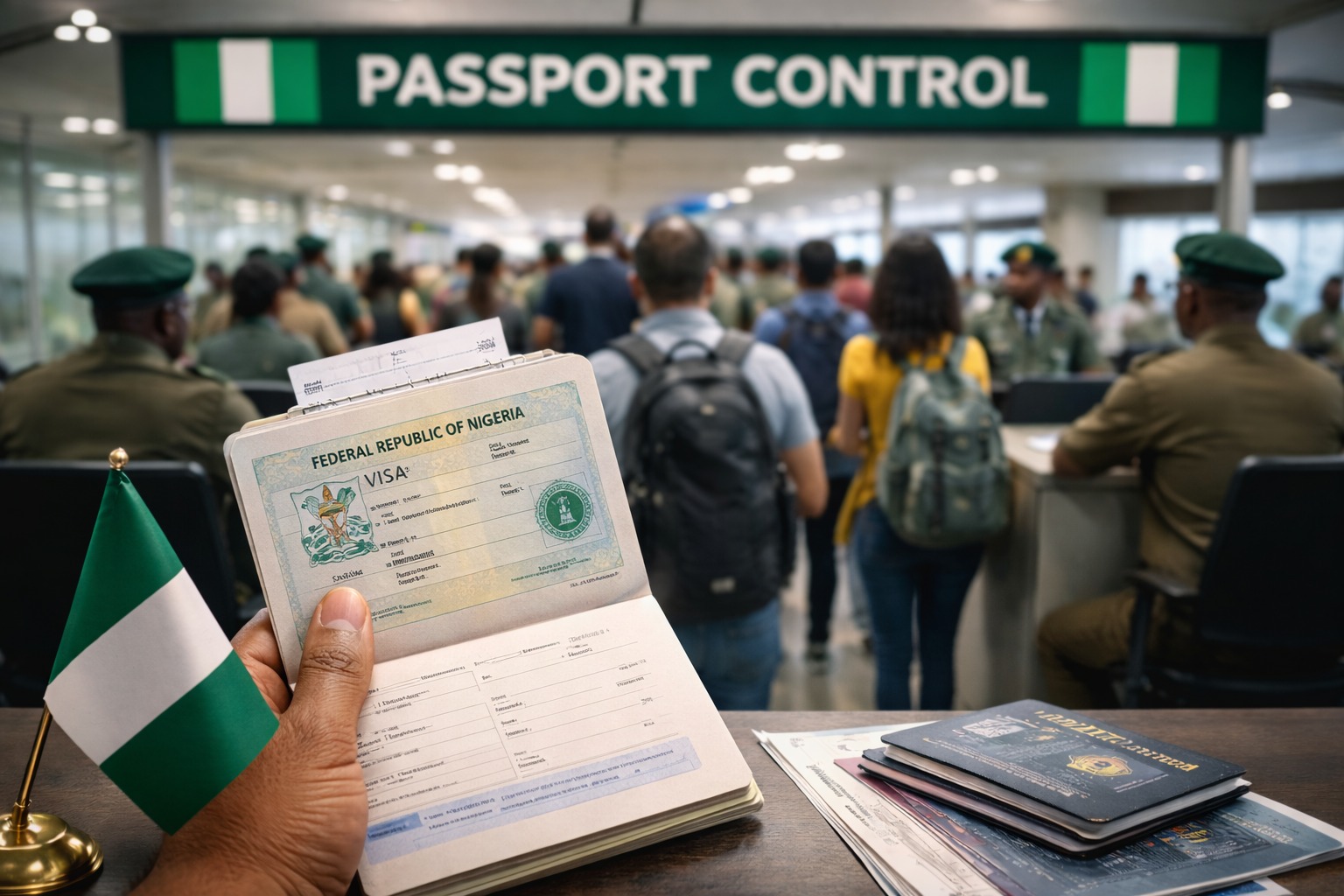
In 2026, international travelers applying for Schengen visas are facing a growing challenge: rising rejection rates. While Europe continues to welcome millions of visitors annually, the number of visa refusals has increased noticeably. This trend has left many applicants puzzled and frustrated. Stricter screening protocols, evolving digital systems, and common documentation pitfalls are reshaping the visa approval landscape. Understanding why Schengen visas get rejected is essential for anyone planning to travel, study, or work in Europe.
Rising Schengen Visa Rejection Rates
Recent data from the European Commission and individual consulates reveal a steady increase in the Europe visa rejection rate over the past few years. For example, some Schengen countries reported refusal rates climbing from around 8% in 2023 to over 12% in 2026. This rise is not uniform; applicants from certain countries—particularly in parts of Africa, Asia, and the Middle East—experience significantly higher refusal rates, sometimes exceeding 25%.
Several factors contribute to this trend, including geopolitical tensions, migration concerns, and the aftermath of the COVID-19 pandemic, which tightened border controls and increased scrutiny.
Top Reasons Schengen Visas Are Being Rejected in 2026
Understanding the Schengen visa refusal reasons can help applicants avoid common pitfalls:
- Insufficient Proof of Financial Means: Applicants must demonstrate they can support themselves during their stay. Bank statements, sponsorship letters, and proof of income must be clear and verifiable. Vague or outdated financial documents often lead to rejection.
- Weak Travel History: A lack of prior international travel or previous visa refusals can raise doubts about the applicant’s intent to return home.
- Incomplete Documentation: Missing documents such as travel insurance, accommodation proof, or invitation letters are frequent causes of denial.
- Suspicion of Overstaying: Visa officers assess the risk that applicants might overstay their visa. This suspicion often arises from inconsistent information or weak ties to the home country.
- Poorly Written Travel Itinerary or Purpose of Visit: Vague or contradictory explanations about the trip’s purpose can trigger doubts about the legitimacy of the visit.
How Digital Screening and Data Systems Are Changing Visa Decisions
In 2026, Schengen visa processing increasingly relies on automation and data analytics. The introduction of systems like ETIAS (European Travel Information and Authorization System) and the Entry/Exit System (EES) means that visa applications undergo more rigorous digital scrutiny.
While these technologies speed up processing and enhance security, they also introduce challenges. Automated algorithms may inadvertently introduce algorithmic bias, disproportionately flagging applicants from certain regions or backgrounds. This digital layer adds complexity to the visa approval process, making thorough and accurate documentation more critical than ever.
Countries With the Highest Rejection Rates
Some Schengen countries are known for stricter visa approvals, reflecting their national security policies and migration concerns:
- France: One of the highest volumes of applications and rejections, especially from African and Asian countries.
- Belgium: Noted for rigorous document verification and high refusal rates.
- Malta and Estonia: Smaller consulates with comparatively high percentage rejection rates due to limited resources and strict policies.
Applicants should research the specific requirements and trends of the consulate where they apply, as rejection rates and procedures vary.
How Applicants Can Improve Their Chances
To increase the likelihood of approval, applicants should:
- Prepare Complete and Accurate Documentation: Double-check all required documents, including valid travel insurance, proof of accommodation, and financial statements.
- Demonstrate Strong Ties to Home Country: Provide evidence of employment, family, property, or studies to prove intent to return.
- Craft a Clear Travel Itinerary: Detail your plans, including dates, places, and reasons for travel.
- Build a Positive Travel History: If possible, travel to visa-friendly countries to establish credibility.
- Apply Early: Submit your application well in advance to accommodate potential delays.
Global Perspectives: 2026 Visa FAQ
Why are rejection rates higher for applicants from India despite rising incomes?
Algorithmic filters flag inconsistencies more often in high-volume countries, and political caution remains high despite economic growth.
How does the new 2026 digital portal affect applicants in Nigeria?
The portal requires precise digital documentation; any mismatch or missing data can lead to automatic denial without human review.
What “local ties” documentation is now mandatory for applicants from the Philippines? Proof of stable employment, family connections, or property ownership is critical to demonstrate intent to return
Conclusion
The rise in Schengen visa rejection 2026 reflects a more cautious and digitally enhanced visa process. Applicants who understand the common refusal reasons and adapt their applications accordingly stand a better chance of success. Preparation, transparency, and attention to detail are key. For complex cases or first-time applicants, seeking professional visa assistance can make a significant difference.
👉 If you’re preparing for a visa interview and want a structured review of your case before your appointment, visit www.voyaapp.co for proper guidance before stepping into that room.