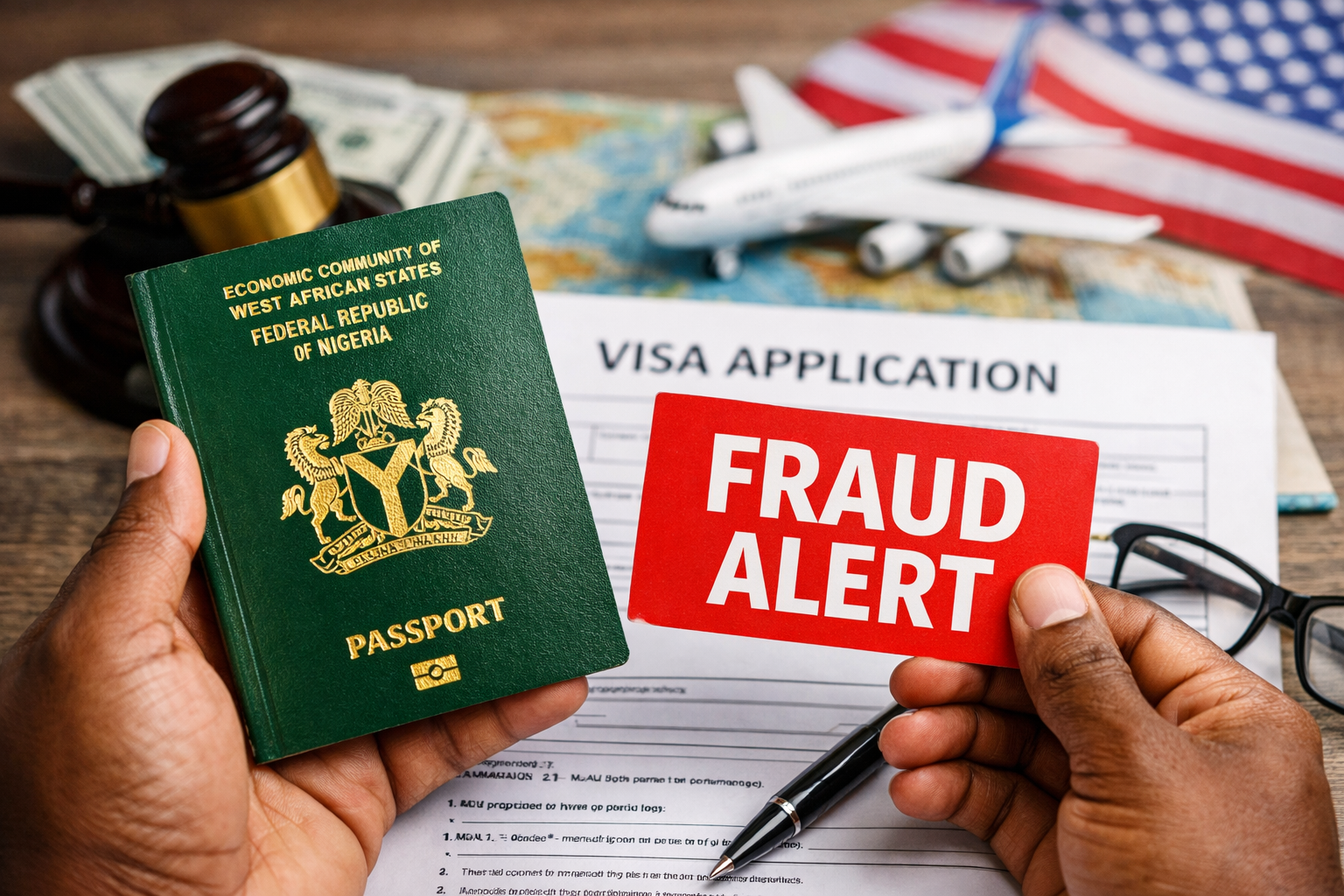
3 Ways to Avoid Visa Fraud in 2026 – Don’t Lose Your Travel Plans
Every year, thousands of visa applicants lose time, money, and opportunities to visa fraud, and 2026 is shaping up to be no different. Fake agents, cloned websites, and “guaranteed approval” promises are everywhere, especially as more people plan to travel, relocate, or attend global events. Many victims only realise too late that they’ve been scammed, often after paying large sums or submitting sensitive personal information.
The good news is this: most visa scams follow predictable patterns. If you know what to look out for, you can spot red flags early and avoid costly mistakes.
Below are three proven ways to protect yourself from visa fraud in 2026, before you submit an application or make any payment.
1. Research and Verify Who You’re Dealing With
One of the most common mistakes people make is trusting an agent or “consultant” without proper verification. Scammers often rely on urgency, social media visibility, or word-of-mouth to appear legitimate.
Before engaging anyone:
- Confirm they have a verifiable online presence (website, official email, office address)
- Check for registration with recognised travel or immigration bodies
- Look for independent reviews, not just screenshots or testimonials they provide
If someone avoids transparency, refuses video or in-person meetings, or operates strictly through private messaging apps with no traceable credentials, that’s a warning sign. Legitimate services do not hide basic information about who they are.
2. Be Careful How and Where You Pay
Payment methods are one of the clearest indicators of fraud. Many scams succeed because applicants are pressured into paying quickly through unofficial or untraceable channels.
As a rule:
- Visa fees should be paid directly through official embassy or processing portals
- Any service fee should come with clear documentation, receipts, and written terms
- Be cautious of demands for payment through personal accounts, gift cards, or rushed transfers without invoices
No legitimate visa process requires secrecy around payment. If you’re being told to bypass official systems “to make things faster,” you’re likely being set up for a scam.
3. Watch Out for Unrealistic Promises and Pressure Tactics
Visa fraud thrives on emotional pressure. Common red flags include:
- Promises of guaranteed approval
- Claims of “special connections” inside embassies
- Urgent deadlines designed to rush your decision
In reality, no agent controls visa outcomes. Decisions are made solely by immigration authorities, and every genuine application requires proper documentation and verification. Any service that tells you otherwise is misrepresenting the process.
If you feel rushed, pressured, or discouraged from asking questions, pause. Legitimate guidance allows you time to understand what you’re doing.
Putting It All Together
Now that you’ve seen the three key ways to protect yourself: verification, secure payment, and realistic expectations, the most important thing is how you apply them. Visa fraud doesn’t usually look obvious at first; it often looks convenient, reassuring, and urgent. That’s why slowing down and making informed decisions matters.
Whether you’re applying for a visa for work, study, travel, or relocation, taking these steps can save you months of stress and irreversible losses.
If you want clarity before you start, or you’re unsure whether an offer or agent is legitimate, you don’t have to figure it out alone.
Common Questions About Visa Fraud
- How can I tell if a visa agent is legitimate?
Legitimate agents are transparent, verifiable, and never guarantee approvals or ask you to bypass official embassy processes.
- Do embassies work with private visa agents?
No. Embassies do not authorize agents to influence visa decisions, all approvals are handled solely by immigration authorities.
- Is it safe to pay a visa agent before applying?
Only if the service is transparent and documented. Visa application fees should always be paid through official government or embassy platforms.
👉 Visit https://voyaapp.co to check your eligibility and get secure, transparent guidance before making any visa-related decision.