The Great Appointment Lottery: Why Your Location Matters
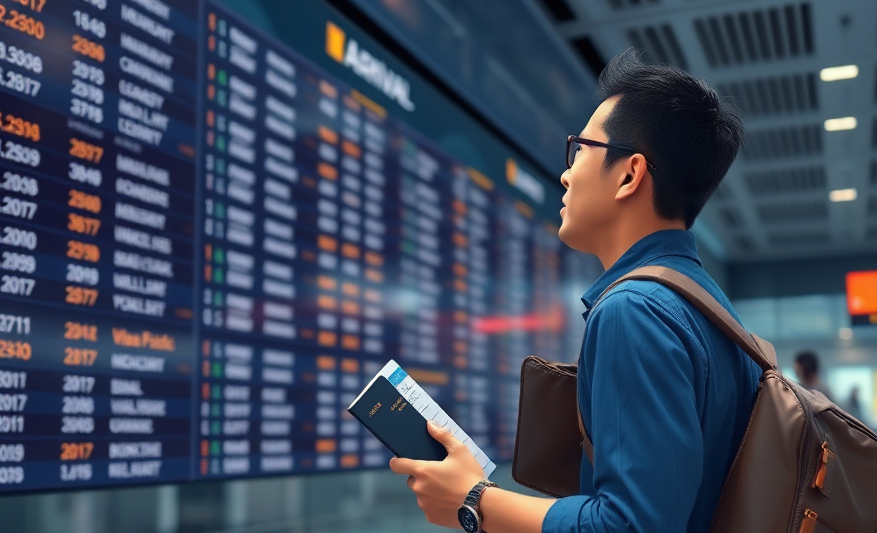
In 2026, the most important factor in your U.S. travel plans isn’t your bank balance—it’s your geography. While one traveler might secure an interview in two weeks, another in a neighboring country could face a wait of over 300 days. Understanding the mechanics behind these disparities is essential for anyone navigating the visa application process today.
Why U.S. Visa Wait Times Vary So Drastically
The U.S. Department of State manages hundreds of embassies and consulates, each with different staffing levels and local demand. Cities like Dubai or Mumbai often face massive backlogs due to high applicant volume. Conversely, smaller consulates in regions with lower demand may offer near-immediate appointments.
Local infrastructure also plays a role. Some consulates have modernized with AI-driven document sorting, while others still rely on manual processing. This creates a “post-code lottery” where your physical location determines your travel timeline.
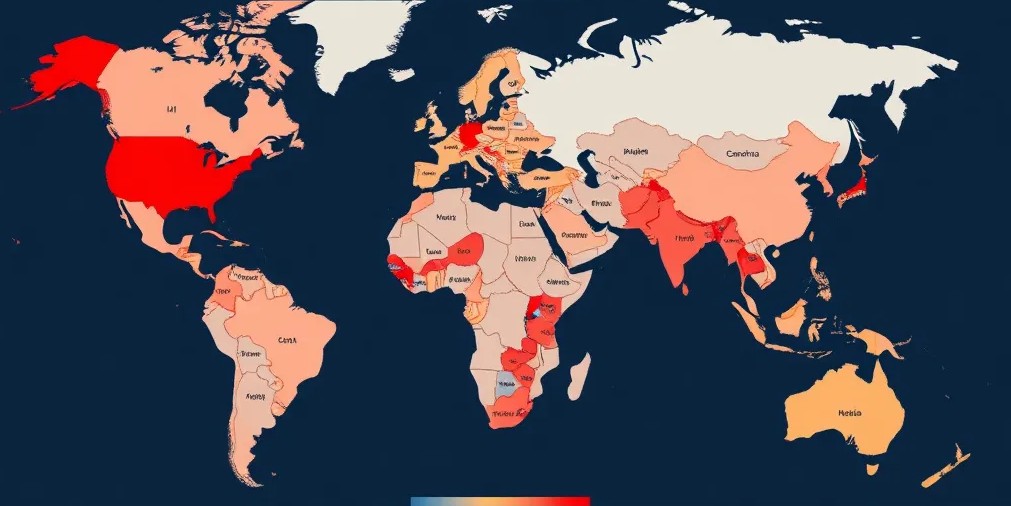
The 2026 Data: Trends in Global Processing
Current statistics show a widening gap between “Fast-Track” cities and “Backlog Hubs.”
- Fast-Track Cities: Often include smaller European capitals or specific Southeast Asian posts where visa interview waiver rules have been expanded.
- Backlog Hubs: Major metropolitan centers in India, Mexico, and Nigeria continue to see high demand that outpaces consular staffing.
Policy shifts in 2026 have also prioritized student (F-1) and worker (H-1B) visas, sometimes pushing tourist (B1/B2) applicants further down the queue.
Real-World Impact: The Cost of Waiting
For a business owner in Lagos, a 400-day wait for a visa interview means missing critical networking events. For a student in Brasilia, a delay could mean missing the start of the semester. These wait times don’t just delay trips; they disrupt lives, careers, and education.
Common Misconceptions About Visa Appointments
Many applicants believe that paying a higher fee or using a “bot” to snag appointments will guarantee a faster slot. In reality, the U.S. government has cracked down on third-party scheduling software. Another misconception is that you must interview in your home city; while usually preferred, “third-country national” processing is sometimes possible in faster-moving jurisdictions.
Practical Guidance: How to Beat the Wait
To improve your visa approval chances and minimize delays, follow these steps:
- Check Multiple Consulates: If your country has multiple U.S. posts, check the wait times for each one daily.
- Utilize Waiver Programs: Check if you qualify for an interview waiver, especially if you are renewing a previous visa.
- Prepare for the Interview: Don’t waste a hard-earned appointment. Avoid visa interview mistakes by having clear, concise answers and organized paperwork ready.
- Monitor for Cancellations: Slots often open up due to last-minute cancellations.
Expert Insight: The Consular Perspective
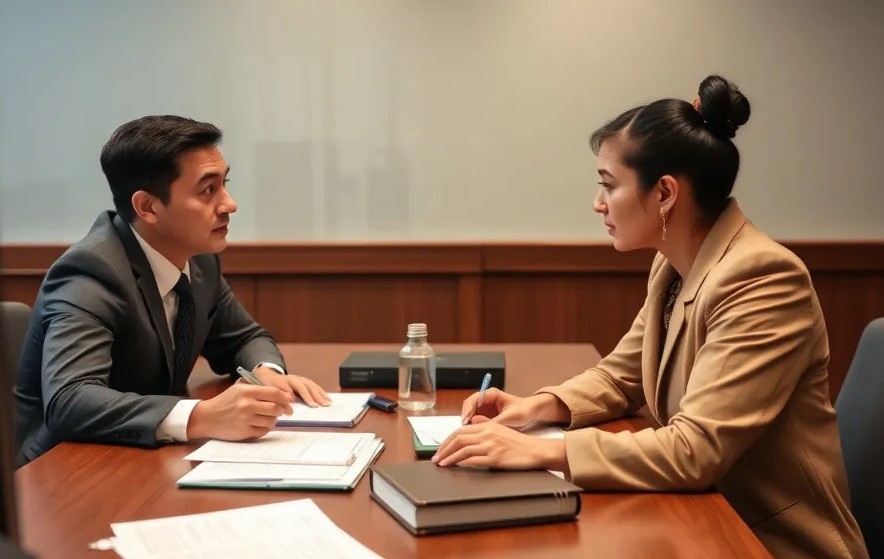
Visa officers are under immense pressure to balance security with efficiency. They aren’t just looking at your documents; they are assessing your credibility in a high-stress, high-volume environment. A well-prepared application that follows all visa application process guidelines makes their job easier and reduces the likelihood of administrative processing delays.
FAQ Section
How can I find the shortest U.S. visa wait times in 2026?
Visit the official U.S. Department of State website to compare real-time appointment wait times across different consulates. Being flexible with your interview location can often save you months of waiting.
Do visa interview waiver rules apply to first-time applicants?
Generally, no. Interview waivers are typically reserved for applicants renewing a visa in the same category or for specific age groups (under 14 or over 79), depending on local embassy policy.
Why is my U.S. visa taking so long to process after the interview?
Delays after the interview are often due to “Administrative Processing” (Section 221(g)), which requires additional security clearance or document verification.
Can I change my visa interview location to a different country?
Yes, this is known as “Third Country National” processing. However, some consulates prioritize local residents, so check the specific embassy’s website before booking.
What are the most common visa interview mistakes in 2026?
The biggest mistakes include providing inconsistent information, failing to prove strong ties to your home country, and bringing incomplete financial documentation.
How do U.S. visa wait times compare to Schengen visa processing times?
U.S. wait times are often longer for the initial appointment, whereas Schengen visa processing times are usually shorter for the appointment but have strict 15-day windows for the actual decision.
Will my visa approval chances increase if I wait longer for an appointment?
No. The length of the wait time is purely administrative and has no impact on the officer’s decision to approve or deny your visa.
Conclusion: Strategy Over Luck
Navigating U.S. visa wait times in 2026 requires a strategic approach. By understanding regional trends and staying proactive with your scheduling, you can bypass the longest queues. Remember, the best time to start your application was yesterday; the second best time is today.
👉 If you’re preparing for a visa interview and want a structured review of your case before your appointment, visitwww.voyaapp.co for proper guidance before stepping into that room.