What Is a Visa Rejection Rate?
A visa rejection rate is the percentage of total applications that are denied by a specific country’s immigration authority. These rates are not random; they are calculated based on security risks, economic stability, and the quality of applications received. High refusal rates often signal a country’s strict “gatekeeping” policy to prevent overstaying or illegal migration.
Countries With the Highest Visa Rejection Rates
Historically, certain Western nations maintain the highest barriers to entry. The United States, Canada, and the United Kingdom consistently report significant refusal numbers due to strict “immigrant intent” laws.
In Europe, specific Schengen members like France, Germany, and Spain handle the highest volumes of applications, leading to a higher raw number of denials. However, smaller nations like Malta or Estonia often show higher percentage rejection rates, sometimes exceeding 25% of all applicants.
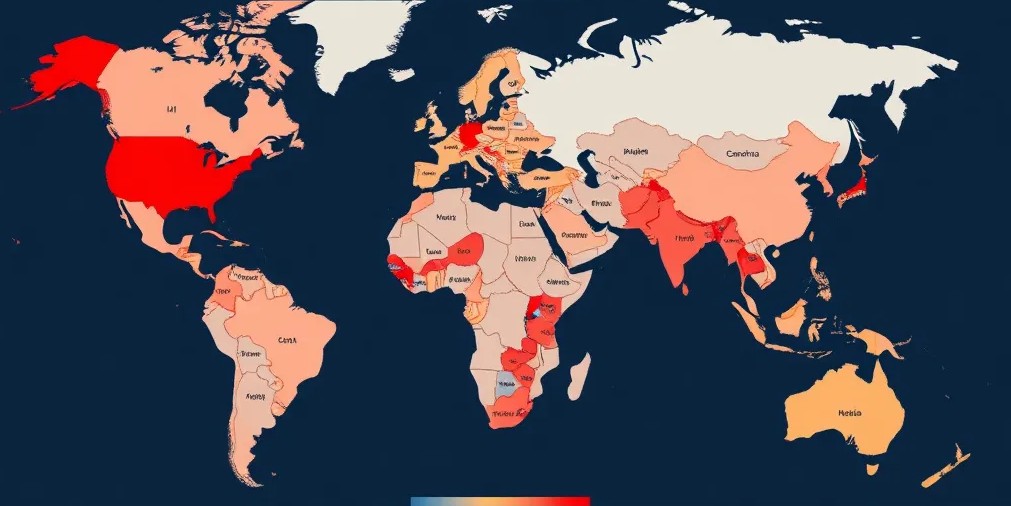
The Global Visa Denial Map: Regional Trends
Visa refusal patterns shift drastically depending on where you are applying from and where you want to go.
- Europe (Schengen Area): Rejection rates have spiked recently as the EU transitions to digital screening. Applicants from African and Asian nations often face the steepest hurdles.
- North America: The U.S. and Canada focus heavily on “economic ties.” If an applicant cannot prove a high salary or property ownership in their home country, the risk of denial is high.
- Middle East & Asia-Pacific: While countries like the UAE and Thailand are generally more open, they have tightened security protocols for specific nationalities flagged for security concerns.
Why Some Nationalities Face Higher Rejection Rates
It is an uncomfortable truth in global mobility: your passport dictates your probability of approval. Applicants from the Global South—specifically Nigeria, Pakistan, Iraq, and Afghanistan—face higher scrutiny. This is often due to “macro-economic risk factors,” where visa officers fear that citizens from struggling economies may seek to work illegally abroad.
The Most Common Reasons Visa Applications Get Denied
Most rejections boil down to five critical errors:
- Weak proof of ties to home country: Failing to prove you have a reason to return (like a job or family).
- Insufficient financial evidence: Not having enough “liquid” cash to cover your stay.
- Incomplete documentation: Missing a single signature or a required bank statement.
- Inconsistent information: Providing dates or addresses that don’t match your flight bookings.
- Suspicion of immigrant intent: The officer believes you are using a tourist visa to move permanently.
How Travelers Can Reduce Their Risk of Visa Rejection
To beat the statistics, you must be meticulous. Always provide verifiable documentation, such as stamped bank statements and official employment letters. Ensure your travel itinerary is realistic and fully funded. Most importantly, be consistent; your answers during a visa interview must match your written application perfectly.
Expert Insight: The Mindset of a Visa Officer
Visa officers are trained to be skeptical. Their primary job is not to grant visas, but to protect their borders from risk. They evaluate applications based on “probability of return.” If your application leaves any room for doubt regarding your intentions, the default answer is usually a rejection.
FAQ Section
Which country rejects the most visa applications?
The United States and France typically reject the highest total volume of applications due to the massive number of people applying. However, countries like Malta often have the highest percentage rejection rates.
What country has the highest Schengen visa rejection rate?
In recent years, Malta, Estonia, and Belgium have frequently topped the list for the highest percentage of Schengen visa denials.
Why do some visa applications get rejected more often than others?
Rejections are usually triggered by a lack of financial proof, weak ties to the home country, or inconsistencies in the travel itinerary.
Do visa rejection rates depend on nationality?
Yes. Applicants from countries with lower GDPs or political instability often face higher scrutiny and higher rejection rates due to perceived migration risks.
Which visas are hardest to get approved?
U.S. B1/B2 visas, Canadian visitor visas, and Schengen visas for first-time travelers from the Global South are considered the most difficult to obtain.
Does a previous rejection affect future visa applications?
Yes. Most countries ask if you have ever been refused a visa. A prior rejection requires you to provide extra evidence that your circumstances have improved.
Conclusion
Global visa trends show that while the world is more connected, the gates are guarded more closely than ever. By studying the Global Visa Denial Map and addressing common pitfalls, you can transform your application from a statistic into a success story.
👉 If you’re preparing for a visa interview and want a structured review of your case before your appointment, visit www.voyaapp.co for proper guidance before stepping into that room.